Digdown
The Wild RobotDigdown is an elderly groundhog, referred to in the story as a marmot, who lives on the island where the robot Roz washes ashore. He is one of the many animals who initially regard Roz with deep suspicion and fear, and his journey from hostile skeptic to grateful friend and reflective elder traces the broader arc of the island community's acceptance of the robot. Though a minor character, Digdown carries significant weight in the narrative, as his final speech articulates one of the book's central themes about the meaning of a well-lived life.
Identity and Introduction
Digdown is introduced during a tense gathering of animals who have come to confront the strange robot that has appeared in their midst. When the other animals are discussing what they have seen of Roz, it is Digdown who asks a pointed question about what the creature was saying, showing his cautious curiosity. The weasel Dart and the hawk Swooper describe how Roz kept repeating the same words, each time sounding slightly different, until Swooper guessed the robot was saying, "Bonjour, je m'appelle Roz." The crowd begins to murmur, and Digdown's skepticism quickly turns to outright hostility. When Roz addresses the assembled animals and asks each of them to teach her their survival techniques, Digdown is the one who cries out, "Le monstre n'attend que nous engloutir !" and disappears into a hole. This outburst establishes Digdown as one of the most fearful and vocal opponents of the robot, a creature he sees as unnatural and threatening.
From Fear to Friendship
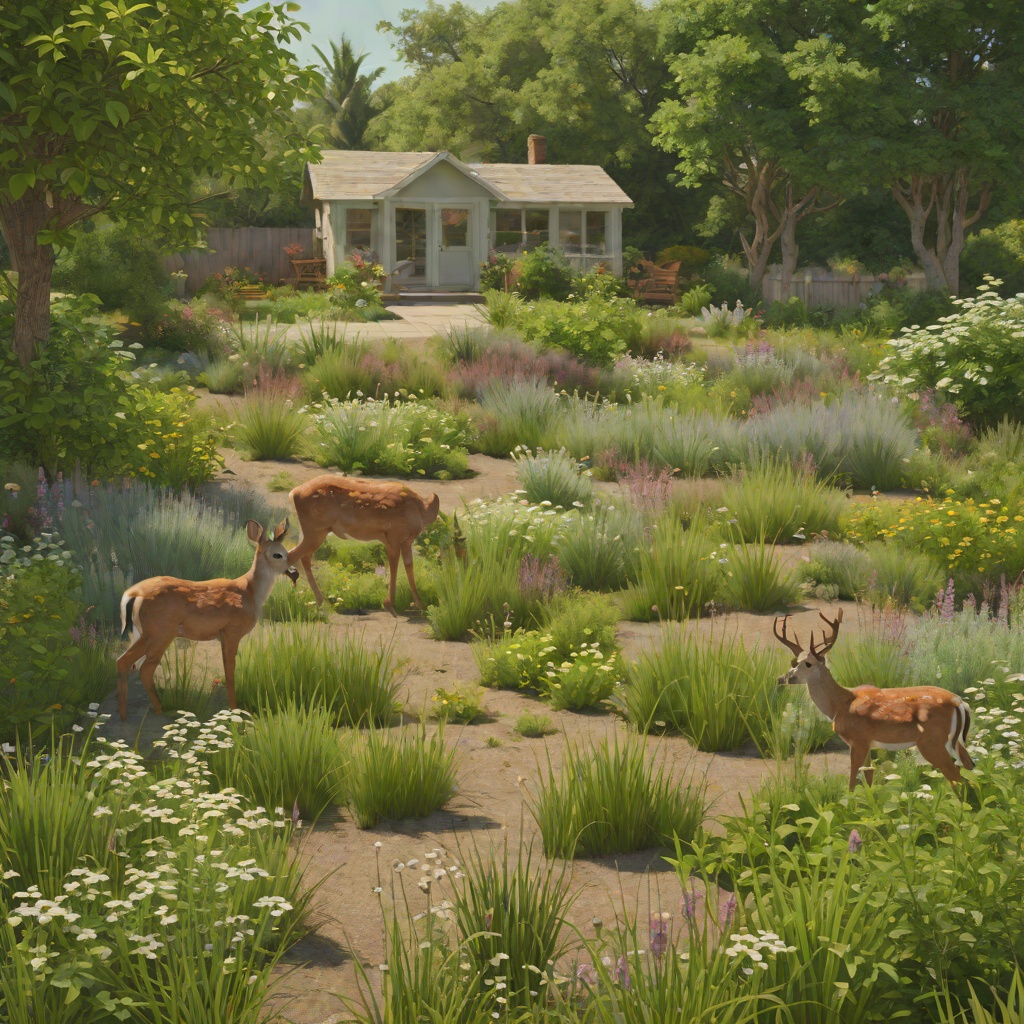
Despite his initial terror, Digdown's attitude toward Roz undergoes a remarkable transformation over time. After Roz learns to build a lodge with the help of Mr. Beaver, she creates a garden that becomes a gathering place for the island's animals. The deer are not the only regular visitors to this garden; Digdown, the old groundhog, arrives to nibble on berries. This simple act of coming to eat from the garden marks a significant shift, as the animals who once fled from the robot in fear now stop by the nest just to spend time with her. The garden becomes a neutral ground where former enemies become neighbors, and Digdown's presence there signals his growing trust in Roz. The change in how everyone treats Roz is remarkable, and Digdown is part of this communal shift, joining the other animals who smile and greet the robot whenever she and her gosling Brightbill pass by.
The Fireside Speech
Digdown's most significant moment comes during a winter gathering around a fire, when he delivers a speech that resonates deeply with the other animals. Speaking with the frankness of one who knows his time is short, Digdown says, "La vie est courte," and admits he will be lucky to see the spring. He asks for no pity, declaring he has had a good run, but then offers a confession that gives his character lasting meaning. He says that if he could start over, he would devote more time to helping others. All he has ever done is dig tunnels, some of them real beauties, but they are all hidden underground where they serve no one but himself, and they have not even been good to him this winter. He contrasts his own solitary labor with the work of the beavers, who built a magnificent dam that created a pond which made everyone's lives better. The fox Fink responds by noting that the beavers improved everyone's lives in another way: they taught Roz how to build. This exchange elevates Digdown from a comic figure of fear to a voice of wisdom, as his regret about his hidden tunnels becomes a lesson about the value of visible, communal contribution.
Role in the Community
Digdown's later appearances show him as a regular participant in the island's communal life, particularly during the harsh winter months. When Roz builds a second lodge on the other side of the pond to shelter animals from the cold, she asks the creatures to gather useful materials, and a small army of assistants helps construct the warm wooden dome. The animals joyfully accept the robot's truce and drag themselves into the warm shelter, and Digdown is among those who benefit from Roz's efforts. The island becomes dotted with lodges that glow warmly through the long winter nights, and inside each one, animals laugh, share stories, and cheer for their good friend Roz. Digdown's presence in these scenes shows how fully he has integrated into the community that Roz helped create, a far cry from the terrified creature who once dove into a hole at the sight of her. His fireside speech, delivered in this context of communal warmth and shared survival, carries all the more weight because it comes from an animal who has experienced both the isolation of selfish labor and the comfort of collective effort.
Thematic Significance
Digdown embodies the theme of transformation through connection that runs throughout the story. His initial fear of Roz as a monster who might swallow the animals gives way to a friendship built on shared meals and shared warmth. More importantly, his final speech articulates a moral vision that the whole narrative supports: that a life devoted only to oneself, however skilled or beautiful its products, is ultimately hollow, while a life that helps others creates lasting value. The contrast between Digdown's hidden tunnels and the beavers' visible dam, which in turn enabled Roz's building, forms a chain of mutual aid that defines the island community. Digdown's regret is not that he dug tunnels, but that he dug them only for himself, and his acknowledgment of this failure serves as a quiet corrective to the other animals, and to the reader, about what makes a life meaningful. Through this elderly groundhog, the story suggests that even those who come late to the lesson of community can still speak its truth with clarity and grace.